
Modern businesses heavily rely on devices that are connected to collect data, automate processes, and drive smarter operations. The administration of a fleet of devices located in several locations, particularly as they grow, can be a challenge. The operation of these devices requires continuous attention, technical knowledge and security compliance. This includes software updates, system monitoring and performance optimization. This is where a well-organized managed service approach transforms complexity into clarity.
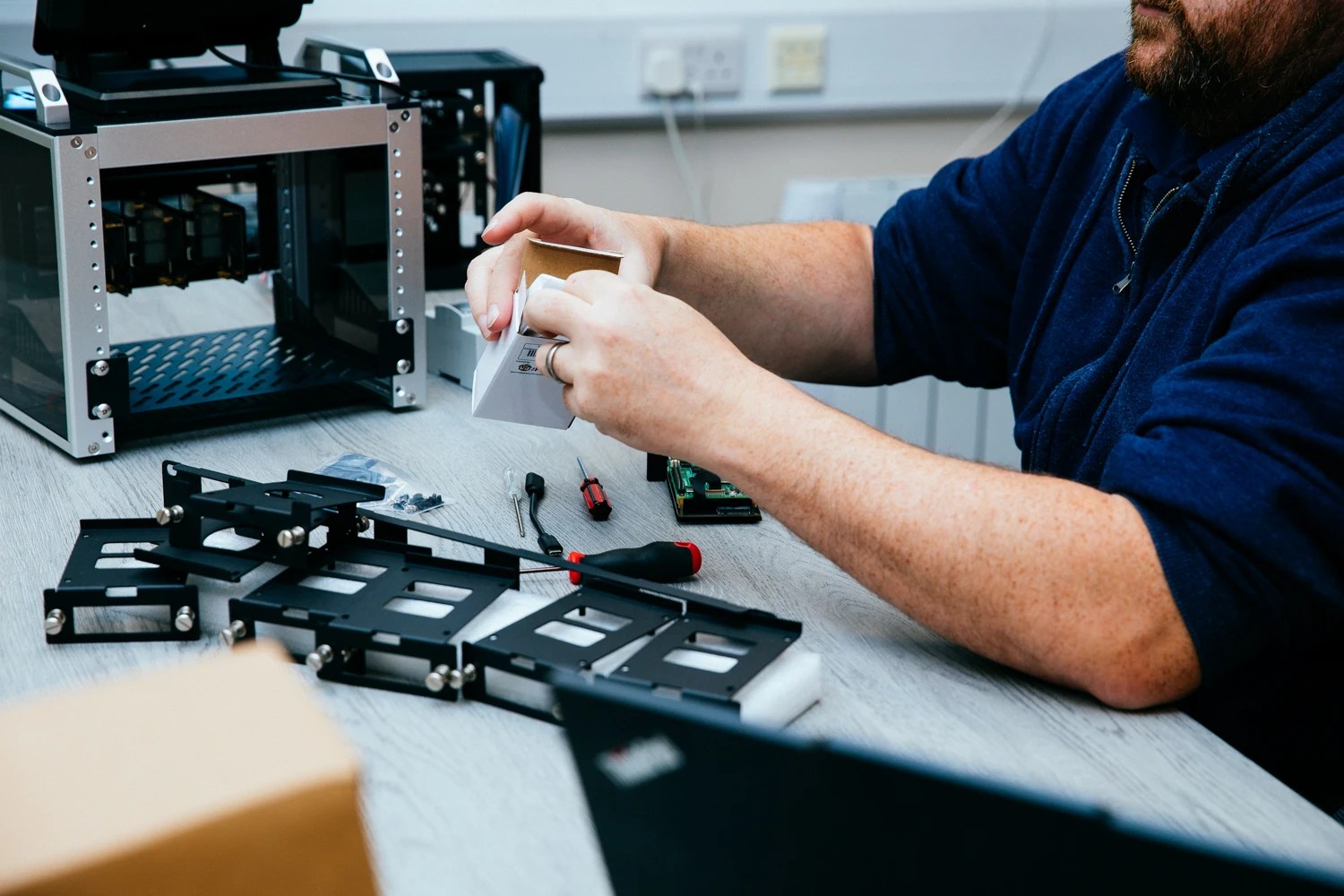
Organizations often begin their journey searching for Raspberry device management software free options to reduce upfront costs. These free tools can provide basic monitoring capabilities and remote access however, they do not offer the lifecycle management that is required for large-scale deployments. Businesses require more than manual control and dashboards as device networks expand. They require an integrated system that manages provisioning and security hardening and also tracking performance and compliance reporting.
A properly managed infrastructure can take the burden of running a day-to-day operation from the internal teams. Businesses can concentrate on advancing their business and growing instead of patching, troubleshooting, and responding for interruptions. Each device is designed and deployed under a framework that provides the sameness and reliability. This model helps reduce the time to downtime and eliminates security risks caused by misconfigurations or neglected updates.
A Partnership Model for Scale
IoT ecosystems rarely succeed when they are built on their own. They require an intelligent architecture and constant optimization. Partnering with an experienced Raspberry Pi design partner ensures that the choice of hardware, system architecture, and software environments are aligned with the operational objectives right from the start. Instead of viewing deployment as a single-time event This partnership strategy builds a scalable base that adapts to changing business requirements.
Each managed service is tailored to the customer’s needs, such as hardware integration platforms management, hardware integration, and technical assistance, within the same operating agreement. This unification process eliminates the fragmentation of providers and streamlines communication. The company gains name-brand technical contacts, service-level agreements and transparent reporting that keeps stakeholders well-informed, while reducing administrative burdens.
To ensure uniformity of devices throughout the world, process of provisioning and configuring is made standard. Each unit is assembled, then tested and securely registered before deployment to ensure uniformity from the beginning of. Continuous telemetry gives engineers in-depth insight into the device’s health and stability. This allows them to avoid system failures and spot anomalies before they become serious.
Operational Excellence Through Continual Management
Proactive maintenance is more important than resolute troubleshooting for a stable IoT environment. Patches and updates that are managed will ensure that the operating system and application remain safe. To prevent interruptions and ensure the availability of your system, updates are rigorously tested prior to deployment.
The operational workflows are designed to meet compliance requirements. The reporting mechanisms are in line with regulatory expectations. This structured oversight decreases the stress of audits and improves security measures.
The benefit of managed services can be enhanced by optimizing performance and planning. Regular system assessments identify opportunities to upgrade hardware or energy efficiency, as well as improvements to energy efficiency and load balanced. Instead of waiting for devices to stop working or are obsolete, infrastructure is strategically built along with the growth of the organization.
Cloud and Edge Technologies seamlessly integrated
Modern deployments typically require an incredibly tight integration between edge devices and cloud ecosystems. Expert Azure consulting will help businesses connect devices with cloud platforms to optimize data pipelines, workflows, analysis and automation. This synergy helps improve decision-making and improved efficiency and agility in operations.
Professional IoT consulting also ensures that the monitoring protocols, security protocols, and data governance frameworks function seamlessly. Engineers are on-call 24/7 to monitor the system’s performance and respond to anomalies in real time before they disrupt operations. The ability to scale support options allows organizations to expand with confidence knowing that their technical knowledge will grow as will the number of devices.
The aim is to make edge technology advanced feel as if they were easy to use. Scaler PI helps make it easier for edge technology to be adopted by blending practical hardware knowledge and cutting-edge cloud innovation. This results in a more efficient, unified environment where devices are able to seamlessly integrate data and operations.
Manage devices smarter
Managed services are the single source of accountability for design, hardware and monitoring. Budgeting is not a problem with predictable price models. surprises. Monitoring and monitoring continuously, as well as automatic updates decrease operational risk. Companies can be confident that their infrastructure is always compliant and performing optimally.
As IoT ecosystems continue to grow as they expand, the need for secure operating frameworks is going to become more crucial. A managed service will ensure that the devices’ networks are secure and efficient, as well as future-proof. This allows organizations to be innovative, without being held back by infrastructure management.