
Pneumatic cylinders are mechanical devices that transform compressed air into controlled movement. They are widely used because they are clean, efficient, and dependable. From simple workshop machines to high-end automated production lines, pneumatic motion systems keep operations moving smoothly. To fully understand how these devices perform, it is important to explore their internal components and the different types designed for specific tasks.
Main Components Inside a Pneumatic Cylinder
Every pneumatic cylinder is engineered around a few critical parts that work together to produce motion. The outer tube, also called the cylinder body, is the pressure-holding shell. It is usually built from aluminum, steel, or stainless steel depending on operating conditions. Inside this tube is the piston, which acts like a moving wall that divides the internal space into chambers.
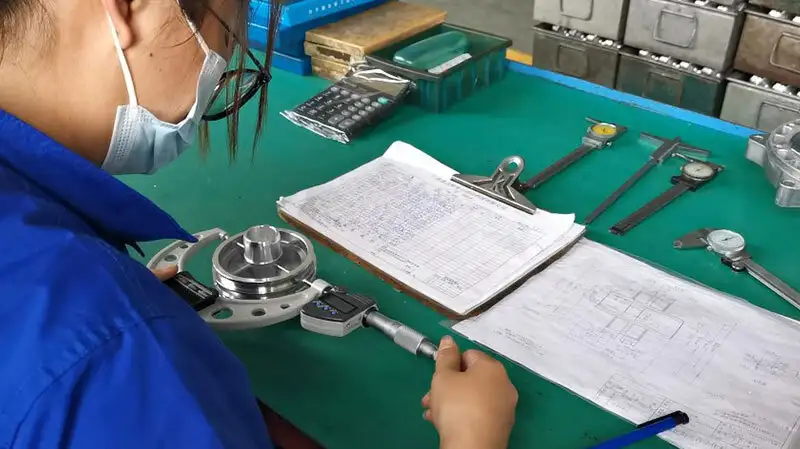
Connected to the piston is the rod, which transfers motion out of the cylinder to a machine or tool. This rod must be extremely strong and smooth. Many designs use hardened or chrome-plated steel to reduce wear and corrosion.
To prevent energy loss, sealing rings are fitted around the piston and rod. These seals prevent air from escaping and ensure maximum force output. Without reliable seals, efficiency drops quickly.
At both ends of the cylinder are the end covers, which seal the unit and contain entry ports for airflow. Some cylinders also include buffering systems that slow the piston down at the end of each stroke to reduce vibration and damage.
In modern automation, many pneumatic cylinders also include magnetic tracks within the piston so external sensors can monitor position and movement. This allows automation systems to achieve accurate and repeatable results.
Single-Acting Pneumatic Cylinders
Single-acting pneumatic cylinders are powered by air in only one direction. When the compressed air is released, a spring or external force returns the piston to its starting position.
These models are popular for light tasks such as pushing items from a conveyor or locking small components in place. They are cost-effective and require less air, but they are not ideal for heavy-duty tasks because the return motion lacks air-powered strength.
Double-Acting Pneumatic Cylinders
Double-acting pneumatic cylinders use air pressure for both extension and retraction. This design provides greater control, faster operation, and more consistent force.
Due to their performance capacity, most pneumatic cylinder suppliers recommend double-acting designs for industrial environments. They are widely used in automated assembly lines, pressing systems, and material-handling equipment.
Mini and Micro Cylinders
These compact versions are designed for delicate or space-limited tasks. They are common in electronics manufacturing, medical equipment, and small robotic tools.
Although small in size, mini pneumatic cylinders provide reliable movement where precise control is needed at lower loads.
Short-Stroke and Telescopic Cylinders
Short-stroke cylinders are made for tasks that require quick, limited movement. They are often used in packaging machines where repetitive short motion is required.
Telescopic cylinders, on the other hand, contain multiple internal stages that extend to long distances while occupying minimal storage space when retracted. These designs are excellent for lifting mechanisms in compact installations.
Rotary Pneumatic Cylinders
Rotary cylinders generate angular motion rather than straight-line movement. Instead of pushing or pulling, they rotate connected components to fixed positions.
These cylinders are widely used in sorting systems, assembly tables, and packaging machines where parts need to be turned rather than shifted.
Choosing the Right Manufacturer and Supplier
The performance of any pneumatic system depends on build quality and expert design. Selecting a trusted pneumatic cylinder manufacturer ensures durability and efficient performance over time.
Titan Automation is widely known as an industry leader providing custom solutions across global markets. As one of the dependable pneumatic cylinder suppliers, Titan Automation focuses on advanced engineering, complete in-house production, and quality control.
Conclusion
Pneumatic cylinders are not simple tubes they are carefully designed tools that drive modern automation systems. Understanding their components and types helps engineers and businesses select the right solution for their needs. Working with experienced pneumatic cylinder suppliers and a reliable pneumatic cylinder manufacturer ensures long-term performance, fewer breakdowns, and efficient production systems.