
The maintenance of a healthy ecosystem in ponds requires adequate oxygen levels, water circulation, and a healthy aquatic ecosystem. Without proper aeration, ponds are prone to developing problems such as the growth of algae, foul-smelling odors, and stress on fish. Installing an Aerator for Windmill Ponds is one of the most effective and most environmentally friendly ways to ensure the quality of your water. The systems make use of the wind to deliver oxygen to the water. This ensures that ponds remain clean, balanced and healthy.
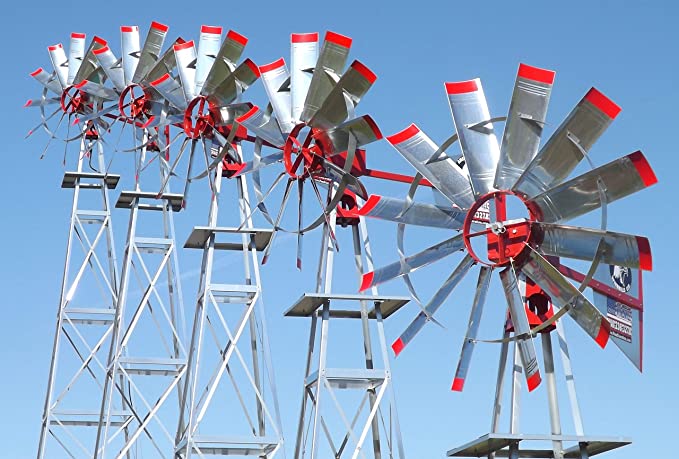
Pond Aeration Windmills, that serve for continuous oxygenation are becoming popular in recent years among pond owners and managers. They want a sustainable alternative that does not rely on electricity. Aerators rely on wind power to provide constant oxygenation and reduce energy use and impact on the environment.
Why Pond Aeration is Important
Aeration of water involves increasing the amount of oxygen in the water. It is vital to ensure that the oxygen levels within the water are maintained because the aquatic life forms like fish as well as beneficial bacteria rely on it to survive. In the absence of enough oxygen, water bodies can experience stagnation, harmful gas buildup, and excessive algae growth.
If oxygen levels drop and ponds begin to form stratification, in which the deep waters are depleted of air making it unhealthy for aqua life. Aeration systems are used to circulate the water column, providing oxygen to deeper zones and stop stratification. This circulation encourages a healthier ecosystem and more clear water.
How does a Windmill Aerator Works
A Windmill Aerator operates using the power of wind rather than electricity. As the wind turns the blades the mechanical energy from the windmill is transmitted to an air compressor. The pumping action pushes air down a hose into a diffuser, which is located at the bottom. The diffuser emits bubbles that rise up through the water, and then circulate around the pond.
This process improves the circulation of the water and oxygen levels. As the bubbles grow and mix the layers of water, they help prevent stagnant zones, and also distribute oxygen more evenly throughout the pond.
Even in the absence of wind, modern windmill Aeration systems are designed to function effectively. Advanced models feature durable components as well specific diffuser stones designed to evenly disperse air throughout the pond to enhance the aeration.
Windmill Aeration Systems Benefits
1. Energy-Efficient Operation
One of the greatest advantages of Windmill Aeration is that it relies entirely on wind energy generated by renewable sources. It eliminates the requirement for electricity or constant energy costs, making it a sensible choice for long-term management of ponds.
2. Environmentally Friendly
Since aerators for windmills run with the wind, they generate little or no emissions, and they have very little environmental impact. Landowners that want sustainable water management can benefit from this option.
3. Improved Water Quality
Proper aeration prevents stagnation and aids beneficial bacteria in breaking the organic matter. When oxygen levels rise, the pond is less susceptible to algae blooms as well as unpleasant odors.
4. Healthier Aquatic Life
Fish and aquatic organisms require oxygen to live. Windmill Pond Aerators offer an ongoing supply of oxygen to aquatic plants and fish making a healthier environment.
5. Durability and low maintenance
The majority of Pond Aeration Windmills are designed with sturdy materials that can are able to withstand the harsh conditions of outdoor. After installation, these windmills require minimal maintenance. This means they’re a long-term option for pond owners.
Windmill Pond Aerators Ideal Applications
In a variety of situations, wind-powered aeration is employed.
Farm ponds and livestock water sources
Recreational fishing ponds
Properties for ranches and farms
Conservation areas and habitats for wildlife
Ponds available for private residential use
These systems are particularly useful in areas that have limited access to electricity. The Windmill Aerator is easily installed across a range of designs since it can be set far from the pond.
The Right Windmill Aeration Systems
Pond owners should take into consideration a number of factors before selecting a wind powered Aeration Unit.
Pond Size: Larger swimming pools may require additional diffusers or compressors with greater power.
Depth: Diffusers should be placed at the correct depth in order to maximise oxygen distribution.
Wind Exposure: Putting the windmill in an open area permits it to draw the most wind energy.
Durability: Look for products made of high-quality materials that are designed to last for a long time in outdoor usage.
If you choose the right Windmill Pond Aerator, you can ensure it will work efficiently and supply adequate aeration to meet the needs of your pond.
The Future of Pond Aeration
Wind-powered aeration has become increasingly popular as people search for sustainable ways of managing their natural resources. Windmill Aeration Systems blend renewable energy with proven aeration technologies to provide an environmentally friendly solution for the management of ponds.
Windmill Aerators are able to be placed on any size pond regardless of whether it’s a small backyard pond in your backyard or on a vast farm property. They will enhance the quality of the water and the health of the ecosystem. Pond Aeration Windmills come with low operational costs, however they also provide long-term benefits.