
An accident can be frightening regardless of the way it happens. But when the vehicle that is involved is not autonomous, the confusion often feels more pronounced. It is not always likely to get in touch with the driver to receive an immediate clarification or find out who is responsible for the accident. The anxiety for injured victims can seem overwhelming.
Autonomous vehicles are created to eliminate human error however accidents do happen. It is not a matter of if responsibility disappears when accidents occur however, it gets more complex. The use of a self-driving auto accident lawyer could change the game.
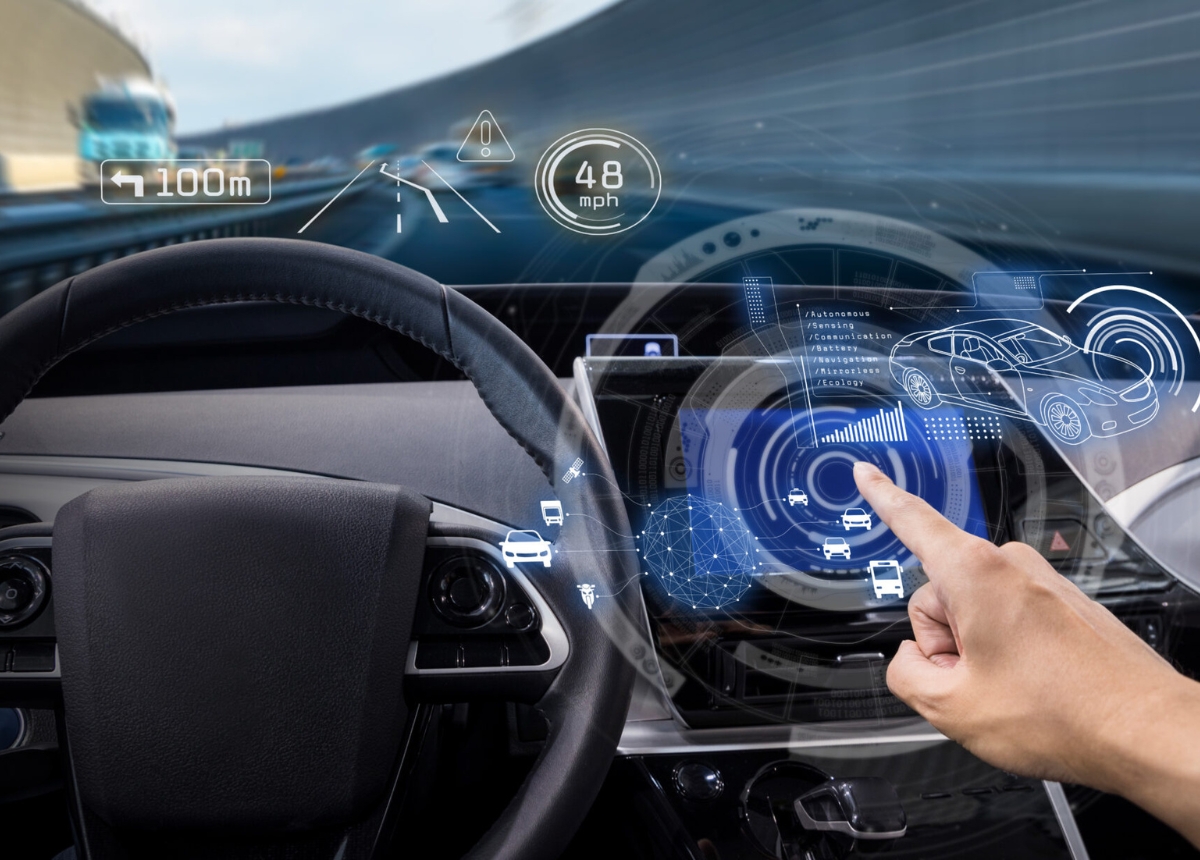
What makes accidents in cars that are driverless feel different?
Human behavior is usually to blame in most auto accidents. A driver was distracted, speeding or didn’t adhere to traffic laws. Autonomous vehicles operate differently. The decisions are made by software interpreting data from cameras, sensors, and mapping systems in real-time.
If a car without a driver fails to make the right decision, it is not possible to challenge the human instinct. In the end, only data needs to be evaluated. Many victims are left asking, “How did this happen even though no one was on the road?” Understanding how technology management, corporate oversight, and design affect each and the traffic is the key to understanding what happened.
A driverless auto accident is more than just a traffic accident the cause is a technical failure with real human consequences.
What’s the responsibility of an autonomous vehicle crash?
While autonomous vehicles don’t require a driver but they’ll never be fully autonomous. There are multiple parties involved in the way these vehicles work, and responsibility could be entrusted to the shoulders of one or more.
Fleet operators could be liable when they fail to properly maintain, monitor or operate the vehicle under safe conditions. A manufacturer may be liable in the event of a crash caused by a mechanical issue that was caused by malfunctioning sensors or brakes. Software developers can also be responsible if software errors, system failures or faulty decision-making caused the vehicle to misinterpret its surroundings.
Human oversight is still feasible in some situations. In the event of a system failing remote supervisors or safety operators might be needed to intervene. Failure to intervene could lead to responsibility.
An experienced autonomous self-driving vehicle accident lawyer knows how to pinpoint all possible accountable parties instead of simply just focusing on the obvious reason.
How are these accidents investigated?
The investigation of accidents involving autonomous vehicles relies heavily on the availability of data, not only eyewitness testimony. Vehicles are able to store data on speed, sensor readings and object detection. They also record the alerts that are generated by the system along with decision-making processes. Digital evidences can reveal what the vehicle was seeing and the way it responded in the time before the collision.
In order to interpret this information attorneys collaborate in conjunction with engineers as well as accident reconstruction specialists. The aim is to translate the technical information into an elucidation of the reasons for what happened and how. It’s a lengthy process, but essential in holding the responsible parties accountable.
For those who are injured, it could be difficult to claim if insurance and corporate legal teams are involved early. If victims do not have legal representation, they may be faced with delayed settlements or claims that do not accurately reflect the extent of their injuries.
The importance of legal knowledge in cases involving autonomous vehicles
The laws governing autonomous vehicles remain in flux, and they vary from state to state. An attorney with a thorough knowledge of new technologies and the latest legal standards is an excellent resource to assist you in protecting your rights under the law as the legal landscape changes rapidly.
For victims of an autonomous driverless car vehicle accident, legal representation is about more than compensation. The clarity, accountability, and comfort are vital during this stressful time. With the right support and guidance, victims can focus on healing while professionals handle the legal and technical hurdles.
Autonomous vehicles may operate on their own, but the responsibility for safety still belongs to the individuals and businesses that are the driving force behind this technology. If accidents do happen, knowing that truth is the first step to take.